UAE Import and Export Procedures
Import & Export
Guides
June 12, 2020
This article provides you with a general guide to the procedures for importing to and exporting from the United Arab Emirates, both directly and through Free Trade Zones. However, before everything else, you will need to register with the UAE government. And so we recommend you read our guide on how to register your import-export business in the UAE beforehand.
 For restricted or duty-exempted goods, a different procedure is required. The importer will need to secure the required permits from the competent authorities before submitting the Customs Import Declaration. If you’re importing goods from outside the UAE, you will need to following original documents:

 The list of prohibited merchandise includes:
 The documents required for this process are as follows:
 All transactions need to be declared to customs, and you will need to obtain all the required documents before the arrival and departure of the goods. These include:
 When importing goods into the UAE, the importer is required to provide:
 As an exporter, you are then required to fill out an online Export Declaration, which includes cargo information as well as the invoice details. Permits and certificates apply depending on the type of cargo and have to be obtained through the Chamber of Commerce.
When exporting by air, you have to pay attention to the size of the package. Pay attention to the suitable packaging and correct labeling.
You can work with a freight forwarder and consult with them on the required documentation and export process. These include preparing the Air Waybill.
As an exporter, you are then required to fill out an online Export Declaration, which includes cargo information as well as the invoice details. Permits and certificates apply depending on the type of cargo and have to be obtained through the Chamber of Commerce.
When exporting by air, you have to pay attention to the size of the package. Pay attention to the suitable packaging and correct labeling.
You can work with a freight forwarder and consult with them on the required documentation and export process. These include preparing the Air Waybill.
Importing to the UAE Mainland
Typically, in order to import directly to the UAE mainland, you will need the following documents:- Original bill of lading copies
- Commercial invoice
- Packing list
- Certificate of origin
For restricted or duty-exempted goods, a different procedure is required. The importer will need to secure the required permits from the competent authorities before submitting the Customs Import Declaration. If you’re importing goods from outside the UAE, you will need to following original documents:
- Commercial invoice with goods description detailing quantities and the total value of each item
- Certificate of Origin
- Detailed packing list, detailing weight, method of packing and HS code for each item
- Import Permit from the competent authorities
Importing to Free Trade Zones
All UAE free trade zones are part of the country’s territory but are outside the customs territory. This means that customs control procedures are different. When importing from a foreign country, free zone license-holders are exempt from paying customs duties. Also, goods may be stored for an unlimited time, depending on the type and validity of the license.
General Requirements
These are the general requirements:- The importer will need a valid importer code from Customs
- The goods need to conform with the activity of the company
- The goods must arrive at the free zone within 72 hours of the date of customs declaration
- Goods must not be opened, altered or dispensed before arriving at the free zone and being endorsed by Customs
- The goods need to be inspected upon entry
- A deposit of AED 500 needs to be paid if the required documents are not submitted
Documents Required
The following documents are required and need to be presented to Customs centers located at the free zones:- Delivery order from the shipping agent to the company licensed to operate in the free zone
- Delivery note by the free zone confirming acceptance of goods
- A second copy of Bill of Lading (sea shipment), original Airway Bill (air shipment) and Road Manifest (land shipment)
- Import permit from competent authorities (in case of restricted goods)
- A sales invoice, including goods description, quantities and value of each item
- Original and detailed invoice from the shipper, including HS Codes classification
- Certificate of origin
- Detailed packing list, including weight, method of packing and HS code for each item
- Import Goods Declaration form
The list of prohibited merchandise includes:
- Flammable merchandise, excluding fuel necessary for operations as permitted by the Free Zone Authority, under the conditions prescribed
- Radioactive materials
- Weapons, ammunition, and explosives, except as allowed by competent authorities.
- Merchandise that violates the regulations for the protection of commercial, industrial, and intellectual property rights and copyright protection
- All types of narcotics and their derivatives
- Merchandise from an economically boycotted country
List of Customs Authorities in the UAE:
- Federal Customs Authority
- Dubai Customs
- General Administration of Customs, Abu Dhabi
- Sharjah Customs
- Ras Al Khaimah Customs
Using Free Trade Zones to Trade with the UAE
As mentioned above, while free trade zones are part of the territory of the UAE, they are outside of the country’s customs territory. This has several implications. On the one hand, UAE free trade zones can be used as import and export hubs to other countries, without having to go through the UAE Customs procedures and paying duties. On the other hand, however, you will need to go through those procedures if your goal is to sell within the UAE or to other GCC countries. First, the exporter must have a commercial license from the competent UAE authorities of the country or from other GCC states. Furthermore, the goods should conform to the free zone of licensee’s activities. You’ll also need to obtain a valid importer code from customs. The goods must be taken from the free zone within 30 days (this period may be extended). Finally, the goods may be subject to inspection before being released.
The documents required for this process are as follows:
- Delivery advice from the free zone company (stamped by buyer and seller)
- The detailed invoice with correct HS code
- Classifications and free zone BOE reference number
- Packing list
- Import Goods Declaration form
- Trade licenses from seller and buyer (copies)
- No-Objection Certificate from competent authorities (in case of restricted or prohibited goods)
- Online duty exemption approval from relevant authorities
- Request letter and application, if the importer is exempt from customs duties.
Importing into UAE Free Zones to Export to Other Countries
Free Trade Zones can also be used to buy goods from the local UAE market for exportation purposes. In order to do so, however, you need to observe a variety of provisions and regulations. First, retail sales are forbidden within the free zone. In order to import into a free zone, the consignee needs to officially register with the customs authorities against its valid free zone license, and also obtain a valid importer/exporter license. The rules for importation of prohibited and restricted goods also apply to free zone licensees. No customs duties are due when importing goods into a free zone. The goods can be kept within the zone free of charge for as long as the license is valid. Ownership of the goods may be transferred between different free zone licensees, depending on their activities, and provided that this is declared and approved by customs. If you import goods into one free zone, you may transfer them into another free zone, subject to documentation and deposit requirements.
All transactions need to be declared to customs, and you will need to obtain all the required documents before the arrival and departure of the goods. These include:
- Delivery order from a company licensed by the free zone
- Copy of Delivery Advice from the competent authorities (in the case of restricted goods)
- Sales invoice from local vendor including goods description, quantity, currency and the total value of each item;
- Detailed packing list, including method of packing and HS code for each item.
Specific Point-of-Entry UAE Import Procedures
The import of goods into and the export of goods from the UAE can be done through seaports, airports, and roadways. It is essential to comply with local laws and customs procedures to do so legally.1. Sea Imports
When importing a full container load (FCL) via the UAE, the exporter of the cargo is required to provide the importer with:- Copies of the original bill of lading
- Commercial invoice
- Packing list
- Certificate of origin
2. Air Imports
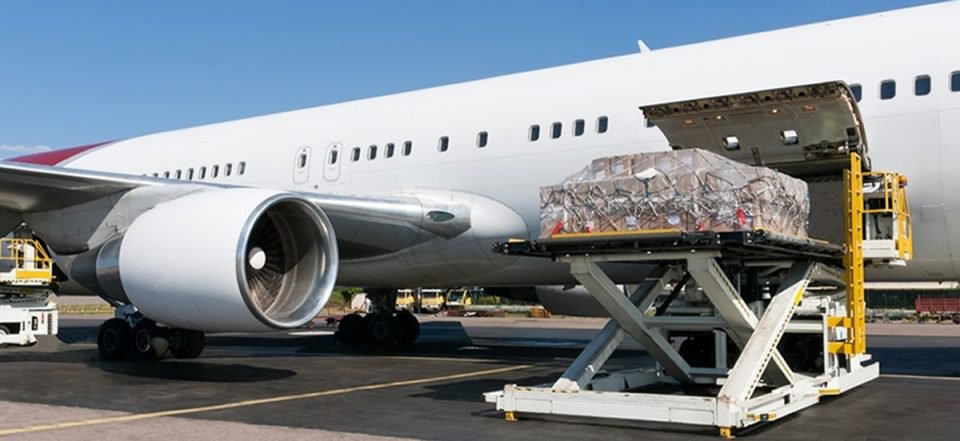
Unlike sea imports, which are finalized through ports and Free Zones, air imports are processed through major airports located in metropolitan areas without coastal access. There are certainly advantages overseas imports due to higher traffic frequency, shorter transit times, and less physical handling. The latter reduces the risk of damage and cuts the need for extensive packing.
When importing goods into the UAE, the importer is required to provide:
- Certificate of origin
- Commercial invoice
- Packing list
- Original air waybill
3. Road Imports
The United Arab Emirates is located at the northeast end of the Arabian Peninsula, bordering Oman, and Saudi Arabia. This opens the possibility of importing goods via road. While it would be an additional step in importing goods to the UAE, it is an option. The importer is required to provide:- Certificate of origin
- Commercial invoice
- Packing list
- Original air waybill
Exporting from UAE to a Foreign Country
If you are looking to export merchandise via the sea, you are required to make an export booking with a shipping agent. This means that the process is handled through the shipping agent, who books a free container at the port and requests an empty container be released. You can nominate a hauler or use your own truck to pick up an empty container and return it back to the port. For the latter option, you must create an electronic token through the Dubai Trade portal, which sets the slot for container pick-up. Truck details and time of arrival at the port have to be provided. Once the container is loaded up at the exporter’s warehouse, a new electronic token must be generated for an export container.
As an exporter, you are then required to fill out an online Export Declaration, which includes cargo information as well as the invoice details. Permits and certificates apply depending on the type of cargo and have to be obtained through the Chamber of Commerce.
When exporting by air, you have to pay attention to the size of the package. Pay attention to the suitable packaging and correct labeling.
You can work with a freight forwarder and consult with them on the required documentation and export process. These include preparing the Air Waybill.
Tariffs on Imports into the UAE
Customs duties are usually calculated based on the cost, insurance, and freight (CIF) value at a rate of 5 percent. While some products are exempt from customs duties, you will be charged 50 percent for alcoholic products and 100 percent for tobacco products. If you are looking to export goods from the United States to the UAE, you must consult U.S. export control agencies in order to acquire an export license.Related links
Customs Authorities in the UAE
- Federal Customs Authority
- Dubai Customs
- Abu Dhabi Customs, Department of Finance
- Ras Al Khaimah Customs
- Sharjah Customs, Department of Seaport and Customs
Importing into the UAE
- Importing through Dubai - Dubai Customs
- Importing through Abu Dhabi - Abu Dhabi government portal
Exporting from the UAE
- Exporting from Dubai - Dubai Customs
- Exporting and Re-exporting from Abu Dhabi - Abu Dhabi government portal
Customs’ Procedures
- Clearance mechanism - Federal Customs Authority
- GCC Customs Procedures Guide - Federal Customs Authority (PDF)
- Clearance procedure - Abu Dhabi government portal
- Customs Procedures Guide - Ras Al Khaimah Customs (PDF,)
- Import procedures - Sharjah Customs
- Export procedures - Sharjah Customs
- Re-export procedures - Sharjah Customs
- Temporary entry procedures - Sharjah Customs
- Transit entry procedures - Sharjah Customs
Tariffs
- Unified customs tariff - Federal Customs Authority
- Customs tariff - Sharjah Customs
Cargo and Freight Services
- Air Arabia Cargo
- Emirates Sky Cargo
- Etihad Cargo
- FlyDubai Cargo
- Dubai Airports cargo services
- Cargo services at Fujairah International Airport
- Cargo facilities at Ras Al Khaimah International Airport
- Sharjah International Airport’s cargo services
Useful Links:
- Conducting international trade - Dubai government portal
- Import and export - Abu Dhabi government portal
- International trade - Abu Dhabi government portal
Ready to start buying?